As Canadian municipalities gear up for the busy fall season, local governments are facing a dual mandate of modernization. On one front, city clerks and election officials are overhauling the democratic process itself, rolling out highly accessible voting options to combat voter apathy. On the other, city councils and urban planners are grappling with the physical footprint of the digital age, forced to make rapid zoning decisions on resource-heavy technological infrastructure.
Two recent developments in Ontario perfectly encapsulate this modern municipal tightrope. In Waterloo Region, municipalities are proactively launching advanced and at-home voting programs for the upcoming October elections. Meanwhile, Hamilton city council has made a ...
Canada Municipal Government Correspondent•Jul 18, 2026•
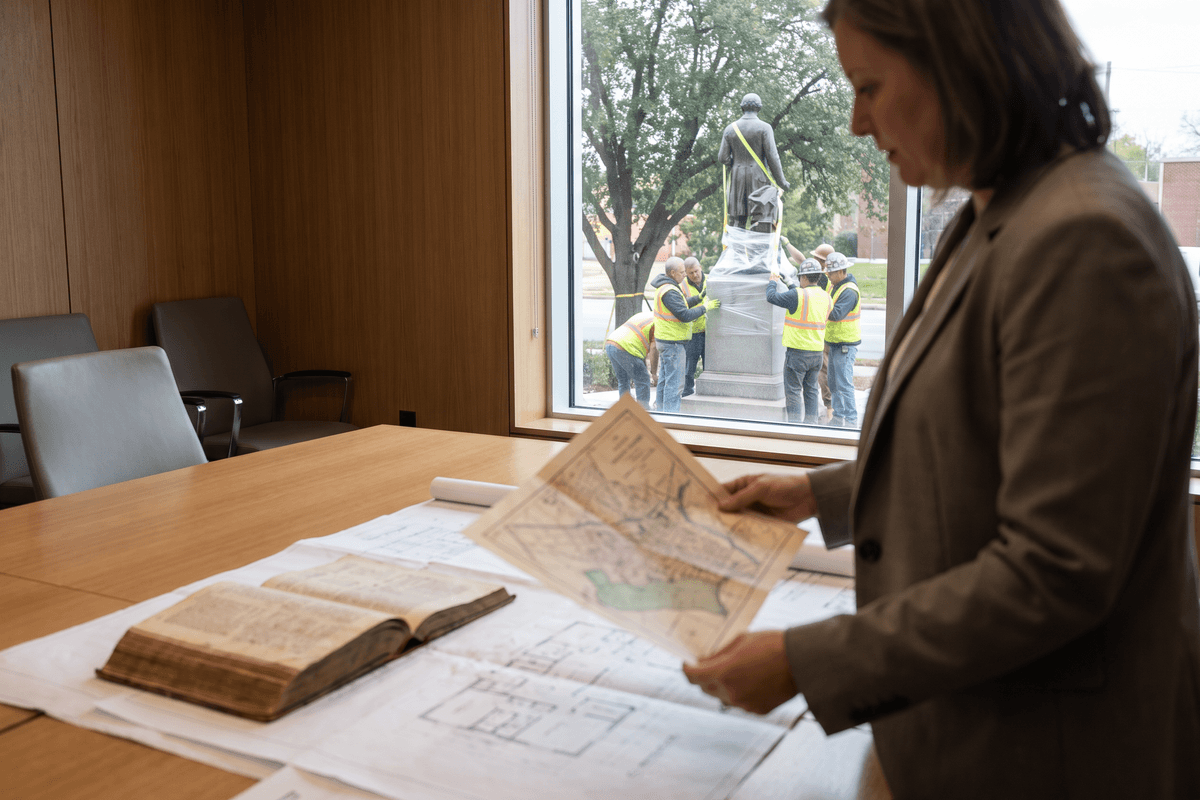
For municipal leaders across Canada, public art and historical monuments have transitioned from benign civic beautification projects into complex flashpoints of cultural, political, and historical debate. When a municipality decides a monument no longer aligns with its contemporary values or its commitment to reconciliation, a new, often unaddressed administrative headache ...
Canada Municipal Government Correspondent•Jul 16, 2026•
Securing federal and provincial infrastructure dollars has never been more vital—or more complex—for Canada’s municipal governments. As local councils grapple with aging assets, rapid population growth, and ambitious climate targets, the pursuit of external funding often feels like a high-stakes chess match. Municipalities must advocate for massive regional projects that ...
Canada Municipal Government Correspondent•Jul 15, 2026•
For Canadian municipal professionals, the daily reality of local governance is a complex tightrope walk. On one side, elected officials must cast compelling, forward-looking visions to engage voters and address urgent social issues. On the other, municipal administrators must ground these visions in the pragmatic realities of infrastructure funding, asset management, and ...
Canada Municipal Government Correspondent•Jul 12, 2026•
In the evolving landscape of Canadian municipal government, revitalization is taking two distinct but deeply interconnected forms: the physical transformation of our urban cores and the institutional renewal of our democratic bodies. As cities grapple with housing shortages, economic stagnation, and shifting demographics, local leaders are being forced to rethink both what ...
Canada Municipal Government Correspondent•Jul 8, 2026•
Summer 2026 has ushered in a critical juncture for Ontario's municipal sector. As cities across the province grapple with the unrelenting pressures of rapid population growth and persistent inflation, July brought the implementation of the largest single-month package of provincial and municipal regulatory changes seen this year. At the heart of these shifts is a delicate ...
Canada Municipal Government Correspondent•Jul 6, 2026•
For decades, the interaction between a municipality and its residents was often defined by rigid bureaucracy—a labyrinth of confusing fine payments, opaque election processes, and behind-the-scenes fiscal policies that rarely made headlines. Today, however, Canadian municipalities are actively dismantling these barriers. As we approach the final quarter of 2026, local ...
Canada Municipal Government Correspondent•Jul 5, 2026•
Canadian municipalities are walking an increasingly precarious tightrope. On one side, unprecedented population growth and the urgent need for climate-resilient infrastructure demand rapid, large-scale development. On the other, restricted revenue streams and stretched administrative capacities leave local governments struggling to move projects from the drawing board to the ...
Canada Municipal Government Correspondent•Jul 3, 2026•
In a previous post here , I provided an overview of the European Union’s draft Artificial Intelligence Act (“AIA”). On December 8, 2023 the European Parliament and the Council on the Artificial Intelligence Act reached political agreement on the content of the AIA. Next, the agreement will receive formal approval, which is expected to take place sometime in April 2024. ...
Introduction
Every organization has a set of core values that define its culture and guide its operations. These values often represent the company's mission, vision, and principles. Integrating these values into the employee review process is a powerful way to ensure that your organization's culture is not just a poster on the wall but a living, breathing part of your ...
Burnout is often seen as a personal shortcoming, but it’s actually a response to prolonged workplace stress. The good news is that, because burnout stems from specific conditions, it can be managed and even prevented. Understanding that burnout is linked to external factors rather than internal weakness empowers you to take control of your well-being and make meaningful ...








 Sheerin Kalia•Jul 10, 2025•
 Alexia Georghiou•May 15, 2025•
