An introduction to variable frequency drive motor control technology and VFD power flow theory explained.

Variable Frequency Drive Power & Control Theory Overview
This short course is designed to help an electrical technologist, technician, student, or experienced tradesperson to quickly get up to speed when learning about variable frequency drives (VFDs). The course is also useful for engineering students when understanding important VFD power and control concepts.
A theoretical understanding of power flow and components is crucial when installing, commissioning, and troubleshooting variable frequency drive motor control systems.
Part One
The first portion of the course uses simple graphics to explain the functionality of the power and control sections of a VFD. Important drive power sections are discussed such as the converter, dc bus or link and the inverter section. The VFD control section is broken down into subsections with each part being explained.
Part Two
The second part of the course uses a VFD power schematic diagram to explain the power flow through each electronic power component in the drive. This video lesson describes the power flow through all sections of the VFD. The PWM inverter output waveform is shown and changing the carrier, or switching frequency is explained and demonstrated. The PWM waveform is shown at different carrier frequencies and output frequencies. The lesson also focuses on the DC link or "bus" and how energy is returned from the motor and is sent to a braking resistor. The front-end active drive is shown and briefly discussed.
An assignment is attached to each video lesson along with an answer key. There is a quiz/test at the end of the course with a passing score of 70%.
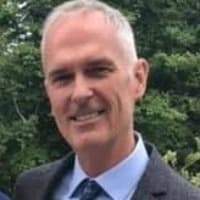
Certified Construction & Maintenance Electrician, Certified Master Electrician
Norman Burton Education: My educational background is trades centric. I started a high school co-op in the early eighties and spent six years obtaining an Automotive Machinists’ license. Afterward, I started an Electrical Construction and Maintenance apprenticeship. Having successfully completed the academic portion of the apprenticeship at Durham College I became a C+M Interprovincial licensed Electrician in 1998. Working as an Electrician, I have completed numerous continuous learning programs such as: Arc Welding, PLC programming, Automation Technology, Teaching and Training Adults and a Masters Electrician Course. I became a licensed Master Electrician in 2007. Professional Experience: Working in the trades has been exciting and wide-ranging having worked in the construction, industrial and institutional sector. I have also spent considerable time working in the automation and controls sector. In 2007 I started an electrical business, Burton Electro Technical Inc. The business focus is primarily industrial controls, installations and troubleshooting. The business also builds electrical training equipment for learning institutions and private companies. Burton Electro Technical Inc. has customers throughout Canada and the United States. In addition to working in the Electrical industry I have been instructing part time since 2005 at Georgian College in the Electrical Apprenticeship program. While working in the Electrical Industry, I have travelled to the United States, Mexico, Japan, throughout Central Ontario and British Columbia. Current Endeavors: Owner / Operator Burton Electro Technical Inc. Instructing electrical apprenticeship programs part time at the Georgian College Skilled Trades Center in Midland, Ontario.
This portal is provided as a training and development resource for City of Markham employees. Every course is delivered by a qualified subject matter expert or learning organization, is quantifiable in hours, and is verifiable — you receive a documented certificate of completion for every course you finish, stored on LearnFormula indefinitely.
If you hold a professional designation (for example in engineering, accounting, human resources, or law), courses may be counted as professionally relevant, verifiable learning activities toward your continuing professional development. Individual practitioners are responsible for confirming that an activity meets the requirements of their professional body. For questions about the City of Markham's training and development policies, please speak with your people leader or Human Resources.
