In this online engineering PDH course, the potential for solar photovoltaics (PV) to supply low carbon energy sources to sectors of the economy other than the power industry is described.

In this online engineering PDH course, the potential for solar photovoltaics (PV) to supply low carbon energy sources to sectors of the economy other than the power industry is described. Molecules such as hydrogen, ammonia, and hydrocarbons are currently produced from natural gas and crude oil and are used in sectors other than the power sector. Processes to produce them emit carbon dioxide and other greenhouse gases both directly and in upstream feedstock recovery processes. Electrons-to-molecules (E2M) technologies are being developed to convert carbon dioxide, water, and atmospheric nitrogen to desired chemical products using electricity, and they represent large electricity loads. E2M technologies are thus emerging as a potential application for PV; essentially, they can act as electrochemical energy storage and thereby provide a means to use the energy generated from PV and store it in molecular form. In this course, the focus is on potential interfaces between PV and the organic chemicals sector. Specifically, analyses are presented for sustainable production pathways for hydrogen, ammonia, carbon monoxide, ethylene, ethanol, methanol, formic acid, and methane. This course is intended for all engineers concerned with renewable energy and its role in decarbonizing the economy. This course includes a true/false and multiple-choice quiz at the end, which is designed to highlight the general concepts of the course material. This course is based on the following document: Badgett, Alex, William Xi, and Mark Ruth. 2021. The Potential for Electrons to Molecules Using Solar Energy. Golden, CO: National Renewable Energy Laboratory. NREL/TP6A20-78719.
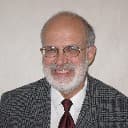
Civil Engneering faculty member for 27 years
Dr. Rossow is a graduate of the University of Michigan with B.S., M.S., and Ph.D. degrees. He is a licensed Professional Engineer in the State of Illinois. He taught civil engineering for over 35 years, including six years at Washington University in St. Louis and 29 years at Southern Illinois University Edwardsville, where he was the Chair of the Civil Engineering Department for ten years. His areas of expertise are in civil engineering and mechanics. He has consulted for various organizations, including government agencies and an international offshore drilling company. He has published numerous technical journal articles and technical reports for a variety of governmental agencies and private sector organizations. Mark P. Rossow, PE, PhD Licensed Professional Engineer in State of Illinois License No. 062.040560 Dr. Rossow is a graduate of the University of Michigan with B.S., M.S., and Ph.D. degrees. He taught civil engineering for over 35 years, including six years at Washington University in St. Louis and 29 years at Southern Illinois University Edwardsville, where he was the Chair of the Civil Engineering Department for ten years. His areas of expertise are in civil engineering and mechanics. He has consulted for various organizations, including government agencies and an international offshore drilling company. He has published many journal articles and technical reports.
This portal is provided as a training and development resource for City of Markham employees. Every course is delivered by a qualified subject matter expert or learning organization, is quantifiable in hours, and is verifiable — you receive a documented certificate of completion for every course you finish, stored on LearnFormula indefinitely.
If you hold a professional designation (for example in engineering, accounting, human resources, or law), courses may be counted as professionally relevant, verifiable learning activities toward your continuing professional development. Individual practitioners are responsible for confirming that an activity meets the requirements of their professional body. For questions about the City of Markham's training and development policies, please speak with your people leader or Human Resources.
