Intended Audience: This course is intended for civil and transportation engineers concerned with the design, operation, and maintenance of transportation systems.
This online engineering PDH course describes how to incorporate environmental, economic, and social sustainability into transportation decision-making through the use of performance measures. Performance measures allow decision-makers to quickly observe the effects of a proposed transportation plan or project or to monitor trends in transportation system performance over time. While many transportation agencies use performance measures as part of planning and project development, their use to promote sustainability has historically been limited. However, more and more agencies have begun to measure the ability of their systems to help protect natural resources, improve public health, strengthen energy security, expand the economy, and provide mobility to disadvantaged people.
This course provides examples of best practices in sustainable transportation performance measurement that are being applied across the US. Topics: Transit accessibility Bicycle and pedestrian mode share Vehicle miles traveled per capita Carbon intensity Mixed land uses Transportation affordability Distribution of benefits by income group Land consumption Bicycle and pedestrian activity and safety Bicycle and pedestrian level of service Average vehicle occupancy Transit productivity
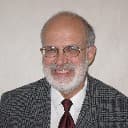
Civil Engneering faculty member for 27 years
Dr. Rossow is a graduate of the University of Michigan with B.S., M.S., and Ph.D. degrees. He is a licensed Professional Engineer in the State of Illinois. He taught civil engineering for over 35 years, including six years at Washington University in St. Louis and 29 years at Southern Illinois University Edwardsville, where he was the Chair of the Civil Engineering Department for ten years. His areas of expertise are in civil engineering and mechanics. He has consulted for various organizations, including government agencies and an international offshore drilling company. He has published numerous technical journal articles and technical reports for a variety of governmental agencies and private sector organizations. Mark P. Rossow, PE, PhD Licensed Professional Engineer in State of Illinois License No. 062.040560 Dr. Rossow is a graduate of the University of Michigan with B.S., M.S., and Ph.D. degrees. He taught civil engineering for over 35 years, including six years at Washington University in St. Louis and 29 years at Southern Illinois University Edwardsville, where he was the Chair of the Civil Engineering Department for ten years. His areas of expertise are in civil engineering and mechanics. He has consulted for various organizations, including government agencies and an international offshore drilling company. He has published many journal articles and technical reports.
This portal is provided as a training and development resource for City of Markham employees. Every course is delivered by a qualified subject matter expert or learning organization, is quantifiable in hours, and is verifiable — you receive a documented certificate of completion for every course you finish, stored on LearnFormula indefinitely.
If you hold a professional designation (for example in engineering, accounting, human resources, or law), courses may be counted as professionally relevant, verifiable learning activities toward your continuing professional development. Individual practitioners are responsible for confirming that an activity meets the requirements of their professional body. For questions about the City of Markham's training and development policies, please speak with your people leader or Human Resources.
