Master the essentials of geotechnical engineering to evaluate site conditions, optimize foundation design, and ensure the structural stability of your construction projects.
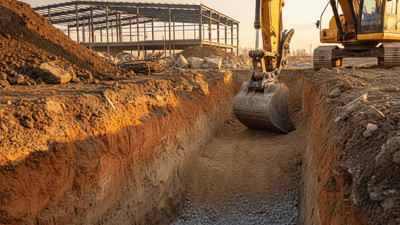
Join Professional Engineer David Germanos for an in-depth exploration of geotechnical engineering principles in the course Soils in Construction. As the foundation of every infrastructure project, understanding soil mechanics, behavior, and properties is essential for ensuring structural stability and longevity. This comprehensive program guides construction professionals, architects, and engineers through the critical phases of subsurface investigation, soil testing, and foundation design.
The course begins by establishing a strong framework in soil investigation and classification, detailing methods for characterizing subsurface conditions including test borings, rock coring, and geophysical techniques. Participants will dive into the hydraulic and mechanical properties of soils, examining concepts such as moisture content, permeability, compaction strategies, and consolidation. The curriculum also addresses the vital intersection of engineering and regulation, explaining how to comply with building codes regarding seismic site classifications and construction monitoring.
Throughout this presentation, learners will gain practical insights into:
Whether designing new structures or remediating existing sites, this course provides the technical knowledge required to solve complex geotechnical challenges. By the end of this program, professionals will possess the skills necessary to interpret soil reports, select appropriate foundation systems, and implement effective ground improvement strategies to ensure project success.

Online Courses for Engineers
HalfMoon Education is a nonprofit continuing education provider offering live webinars and on-demand courses for engineers, architects, landscape architects, land surveyors, attorneys, paralegals, accountants and others. Since 1996, we’ve helped thousands of professionals nationwide stay current with industry standards and codes, earn CE hours, and advance their expertise through practical, expert-led learning experiences. Learn more about us at: www.halfmoonseminars.org
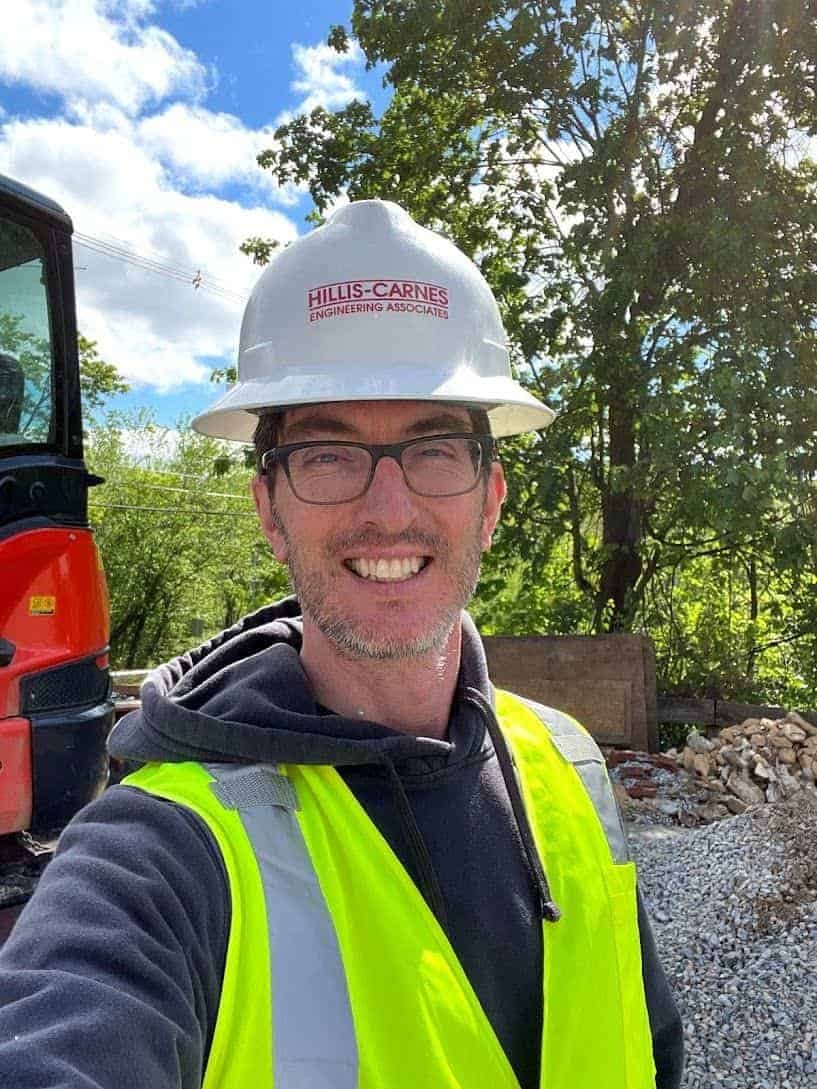
Branch Manager at Hillis‐Carnes Engineering Associates, Inc
Mr. Harmanos is a professional engineer with extensive experience in subsurface exploration, soil testing, infiltration testing, geosynthetics, and seismic and advanced analysis. His expertise includes commercial, industrial and institutional foundation design; retaining wall and steep slope design; sinkhole remediation; landfill design; site work; forensic engineering; LEED consulting; and construction quality control/assurance (CQA/QC). Mr. Harmanos is a graduate of Drexel University where he received both his BS and MS degrees in Civil Engineering (Geosynthetics and Geotechnical). Hillis‐Carnes performs geotechnical engineering consulting and laboratory testing services. Its construction services include evaluation of bearing materials, inspection of pile driving, slope inclinometer installation and monitoring, and retaining wall construction observation
This portal is provided as a training and development resource for City of Markham employees. Every course is delivered by a qualified subject matter expert or learning organization, is quantifiable in hours, and is verifiable — you receive a documented certificate of completion for every course you finish, stored on LearnFormula indefinitely.
If you hold a professional designation (for example in engineering, accounting, human resources, or law), courses may be counted as professionally relevant, verifiable learning activities toward your continuing professional development. Individual practitioners are responsible for confirming that an activity meets the requirements of their professional body. For questions about the City of Markham's training and development policies, please speak with your people leader or Human Resources.
