Master proven speed management strategies and traffic calming designs to reduce severe collisions, protect vulnerable road users, and create highly walkable, thriving communities.
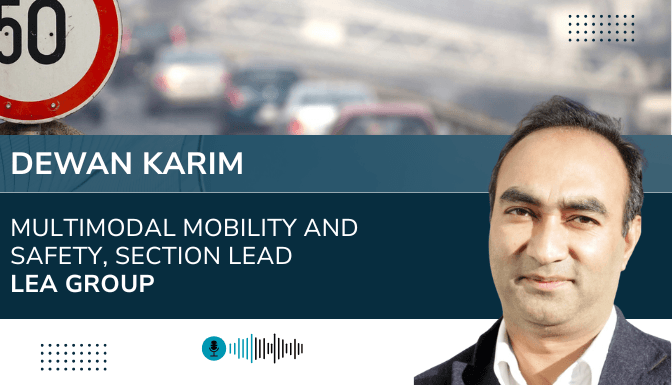
Vehicle speed is one of the most significant factors influencing both the likelihood and severity of road crashes. As communities seek to improve safety for pedestrians, cyclists, transit users, and motorists, transportation professionals are increasingly focused on evidence-based speed management strategies that reduce fatalities and serious injuries while supporting efficient mobility.
In this practical session, transportation engineer Dewan Karim explores the relationship between speed, human behaviour, roadway design, and safety outcomes. Drawing on international research, Vision Zero principles, and real-world transportation planning experience, he examines how speed influences crash risk, injury severity, and survivability, and discusses the tools available to engineers, planners, and municipalities to create safer streets. Participants will gain a deeper understanding of modern speed management approaches, traffic calming measures, road design strategies, and the Safe System framework for improving road safety across urban environments.
Key Topics Discussed
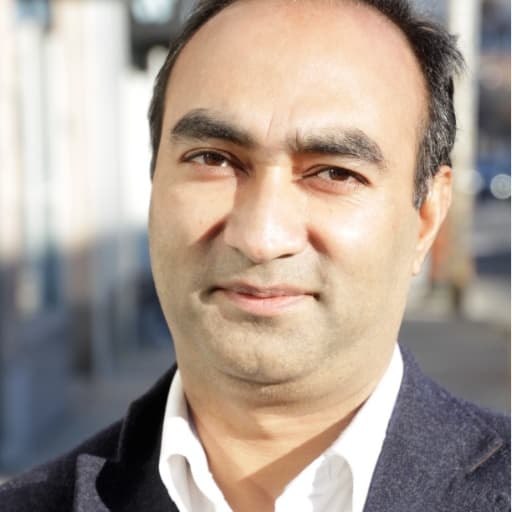
Multimodal Mobility and Safety, Section Lead | LEA Group
Educated at the University of Tokyo, Japan, Dewan spent more than sixteen years of his career in mobility master planning, smart innovation in urban innovation, shared mobility and transit planning projects in both Japan and Canada. Recently, he developed a new innovative mobility ecosystem master planning concept combining new mobility systems, innovative technologies, equitable use of public space, sustainable safety, and evidence-based scientific approach for rebuilding cities for people. The project concept and innovative applications was awarded by MIT Media Lab conference as “best planning system” and ITE Project of year in 2015. Subsequently, he published a chapter of “Disrupting Mobility” by Springer University of California, Berkeley. He is currently writing a book titled “Our Mobility DNA” with Taylor and Francis and teaching a professional course to summarize innovative mobility concepts and outcomes of urban master planning projects. He is a registered member as a Professional Engineer in Ontario, British Columbia, Nova Scotia and certified as a Professional Traffic Operation Engineer.
This portal is provided as a training and development resource for City of Markham employees. Every course is delivered by a qualified subject matter expert or learning organization, is quantifiable in hours, and is verifiable — you receive a documented certificate of completion for every course you finish, stored on LearnFormula indefinitely.
If you hold a professional designation (for example in engineering, accounting, human resources, or law), courses may be counted as professionally relevant, verifiable learning activities toward your continuing professional development. Individual practitioners are responsible for confirming that an activity meets the requirements of their professional body. For questions about the City of Markham's training and development policies, please speak with your people leader or Human Resources.
