Master the art of sustainable drainage, transforming runoff into a resource. Design resilient systems that protect structures and enhance ecosystems using innovative techniques and materials
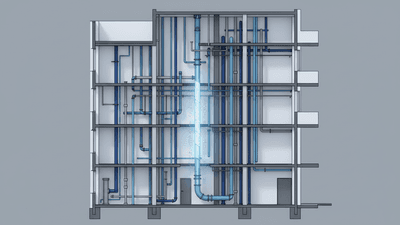
Welcome to "Principles of Building Drainage Design." This course bridges traditional civil engineering with modern sustainable urban planning, exploring the critical necessity of managing exterior water to protect structures and enhance landscapes.
You'll learn to move beyond simple water removal, examining how drainage systems can provide multifunctional benefits and integrate ecosystem services into the built environment. We analyze the mechanics of soil and water interaction, the hardware required for effective systems, and the theoretical frameworks that drive Sustainable Urban Drainage Design (SUDS).
Key learning outcomes include:
This course ensures you're equipped to design resilient, efficient, and sustainable drainage infrastructures.

BuildPro Education Network provides trusted continuing professional development for today’s architecture, construction, and building-services industries. We develop targeted, up-to-date courses covering advanced materials, integrated systems, design innovation, and sustainable building practices. Our mission is to empower professionals with practical knowledge and modern tools.
Jerry Luo, PhD, PE, is a licensed professional engineer in Ohio, Louisiana, and Texas, with over 15 years of diverse experience spanning higher education, research, and consulting in civil engineering and construction management. Renowned for his expertise in geotechnical engineering, he has published over 60 peer-reviewed research articles, significantly contributing to advancements in geotechnical risk assessment and infrastructure resilience. He also co-authored a widely recognized textbook on soil dynamics. Jerry has actively contributed to the global engineering community by serving on the editorial boards of multiple international journals and as a member of organizing committees for prestigious conferences. His work bridges academic excellence and industry practice, making a tangible impact on critical engineering projects. His dedication to mentorship and innovation reflects his commitment to shaping the next generation of civil engineers and advancing the profession through research, education, and practice.
This portal is provided as a training and development resource for City of Markham employees. Every course is delivered by a qualified subject matter expert or learning organization, is quantifiable in hours, and is verifiable — you receive a documented certificate of completion for every course you finish, stored on LearnFormula indefinitely.
If you hold a professional designation (for example in engineering, accounting, human resources, or law), courses may be counted as professionally relevant, verifiable learning activities toward your continuing professional development. Individual practitioners are responsible for confirming that an activity meets the requirements of their professional body. For questions about the City of Markham's training and development policies, please speak with your people leader or Human Resources.
