This course is a guide for the planning, design, and implementation of terrace and water and sediment control basin (WASCOB) conservation practices.

Terraces are an ancient erosion control practice. The terrace has been used by many cultures to allow the production of grains such as wheat and rice on steep slopes. These terraces were generally small width level terraces designed to prevent erosion, capture runoff, and in some cases allow for surface irrigation. The basic concept of these systems was the reforming of steep landscapes into flat farmable benches to control water runoff and reduce erosion. The use of terraces for erosion control in the United States became an accepted practice after the Dust Bowl years. This course is a guide for the planning, design, and implementation of terrace and water and sediment control basin (WASCOB) conservation practices. The design of the underground outlet (UGO) conservation practice as used with these practices is also included. The course is national in scope and may be supplemented with regional and local information.
Topics: Introduction to Terrace Systems Introduction to WASCOB (water and sediment control basin) systems Introduction to UGOs (underground outlets) Total resource management systems Terrace and WASCOB planning considerations Terrace cross-sections, channel block, spacing WASCOB cross-sections and spacing Broadbase Terraces Steep-backslope (grassed-back) Terraces Narrow-base Terraces Flat channel (level) Terraces Terrace Alignment and Layout WASCOB, and Surface / Underground Outlet Design Procedures Terrace Ridge and Channel Design Terrace Construction Methods Terrace and Outlet Maintenance Requirements.
Intended Audience: This course is intended for civil, environmental, construction, land development engineers, and land planners. However, this course could appeal to engineers of other disciplines as well.
Publication Source: USDA – Natural Resources Conservation Service
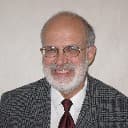
Civil Engneering faculty member for 27 years
Dr. Rossow is a graduate of the University of Michigan with B.S., M.S., and Ph.D. degrees. He is a licensed Professional Engineer in the State of Illinois. He taught civil engineering for over 35 years, including six years at Washington University in St. Louis and 29 years at Southern Illinois University Edwardsville, where he was the Chair of the Civil Engineering Department for ten years. His areas of expertise are in civil engineering and mechanics. He has consulted for various organizations, including government agencies and an international offshore drilling company. He has published numerous technical journal articles and technical reports for a variety of governmental agencies and private sector organizations. Mark P. Rossow, PE, PhD Licensed Professional Engineer in State of Illinois License No. 062.040560 Dr. Rossow is a graduate of the University of Michigan with B.S., M.S., and Ph.D. degrees. He taught civil engineering for over 35 years, including six years at Washington University in St. Louis and 29 years at Southern Illinois University Edwardsville, where he was the Chair of the Civil Engineering Department for ten years. His areas of expertise are in civil engineering and mechanics. He has consulted for various organizations, including government agencies and an international offshore drilling company. He has published many journal articles and technical reports.
This portal is provided as a training and development resource for City of Markham employees. Every course is delivered by a qualified subject matter expert or learning organization, is quantifiable in hours, and is verifiable — you receive a documented certificate of completion for every course you finish, stored on LearnFormula indefinitely.
If you hold a professional designation (for example in engineering, accounting, human resources, or law), courses may be counted as professionally relevant, verifiable learning activities toward your continuing professional development. Individual practitioners are responsible for confirming that an activity meets the requirements of their professional body. For questions about the City of Markham's training and development policies, please speak with your people leader or Human Resources.
