Intended Audience: for civil, transportation, and construction engineers involved in the planning, construction and maintenance of low-volume roads.

This course presents an overview of the key planning, location, design, construction, and maintenance aspects of low-volume roads—defined as roads with an average daily traffic of less than 400 vehicles per day—that can cause adverse environmental impacts and lists Best Management Practices to prevent those impacts. The course addresses most basic roads issues in broad general terms, leaving narrow technical issues to the specialist. Included are key “DO’s” (Recommended Practices) and “DON’Ts” (Practices to Avoid) in low volume roads activities, along with basic design information. These fundamental practices apply to roads worldwide and for a wide range of road uses and standards.
Topics: This course teaches the following specific knowledge and skills: Environmental analysis Reducing vulnerability of roads to natural disasters Streamside management zones Timber harvesting Road planning Road location Road survey, design, and construction Road costs Road maintenance Road closure Hydrology for drainage crossing design Tools for hydraulic and road design Roadway surface drainage control Control at inlets and outlets of cross-drains and ditches Natural stream crossings Wet areas and meadow crossings, use of underdrains Culvert use, installation, and sizing Fords and low-water crossings Bridges Slope stabilization and stability of cuts and fills Roadway materials and material sources Erosion control Stabilization of gullies
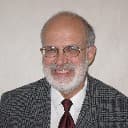
Civil Engneering faculty member for 27 years
Dr. Rossow is a graduate of the University of Michigan with B.S., M.S., and Ph.D. degrees. He is a licensed Professional Engineer in the State of Illinois. He taught civil engineering for over 35 years, including six years at Washington University in St. Louis and 29 years at Southern Illinois University Edwardsville, where he was the Chair of the Civil Engineering Department for ten years. His areas of expertise are in civil engineering and mechanics. He has consulted for various organizations, including government agencies and an international offshore drilling company. He has published numerous technical journal articles and technical reports for a variety of governmental agencies and private sector organizations. Mark P. Rossow, PE, PhD Licensed Professional Engineer in State of Illinois License No. 062.040560 Dr. Rossow is a graduate of the University of Michigan with B.S., M.S., and Ph.D. degrees. He taught civil engineering for over 35 years, including six years at Washington University in St. Louis and 29 years at Southern Illinois University Edwardsville, where he was the Chair of the Civil Engineering Department for ten years. His areas of expertise are in civil engineering and mechanics. He has consulted for various organizations, including government agencies and an international offshore drilling company. He has published many journal articles and technical reports.
This portal is provided as a training and development resource for City of Markham employees. Every course is delivered by a qualified subject matter expert or learning organization, is quantifiable in hours, and is verifiable — you receive a documented certificate of completion for every course you finish, stored on LearnFormula indefinitely.
If you hold a professional designation (for example in engineering, accounting, human resources, or law), courses may be counted as professionally relevant, verifiable learning activities toward your continuing professional development. Individual practitioners are responsible for confirming that an activity meets the requirements of their professional body. For questions about the City of Markham's training and development policies, please speak with your people leader or Human Resources.
