This online engineering PDH course describes how local governments can improve the energy efficiency of their water and wastewater facilities.

This online engineering PDH course describes how local governments can improve the energy efficiency of their water and wastewater facilities.
The course focuses primarily on three strategies:
In addition, policy mechanisms that some local governments have used to support energy efficiency programs in their operations are described. Investment and financing opportunities, including federal, state, and other programs that may be able to help water and wastewater facilities with information or financial and technical assistance, are presented. The course gives two case studies of water or wastewater facilities that have successfully improved energy efficiency in their operations. Additional examples of successful implementation are provided throughout the guide.
Topics: Establishing the facility's energy policy and overall energy improvement goals Assessing current energy baseline status Identifying energy objectives and targets Upgrading equipment such as pumps and blowers Modifying operating practices such as reducing the amount of energy required to perform specific tasks Modifying facility buildings such as installing efficient lighting, heating, and cooling equipment Maintaining the energy improvement program Case studies
Intended Audience: This course is intended for civil, electrical, environmental, mechanical, and municipal engineers concerned with reducing the environmental impact of their local government through the introduction of sustainable technologies.
Publication Source: This course is based on the Environmental Protection Agency document, “Energy Efficiency in Water and Wastewater Facilities,” from the EPA’s Local Government Climate and Energy Strategy Series, 2013.
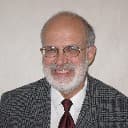
Civil Engneering faculty member for 27 years
Dr. Rossow is a graduate of the University of Michigan with B.S., M.S., and Ph.D. degrees. He is a licensed Professional Engineer in the State of Illinois. He taught civil engineering for over 35 years, including six years at Washington University in St. Louis and 29 years at Southern Illinois University Edwardsville, where he was the Chair of the Civil Engineering Department for ten years. His areas of expertise are in civil engineering and mechanics. He has consulted for various organizations, including government agencies and an international offshore drilling company. He has published numerous technical journal articles and technical reports for a variety of governmental agencies and private sector organizations. Mark P. Rossow, PE, PhD Licensed Professional Engineer in State of Illinois License No. 062.040560 Dr. Rossow is a graduate of the University of Michigan with B.S., M.S., and Ph.D. degrees. He taught civil engineering for over 35 years, including six years at Washington University in St. Louis and 29 years at Southern Illinois University Edwardsville, where he was the Chair of the Civil Engineering Department for ten years. His areas of expertise are in civil engineering and mechanics. He has consulted for various organizations, including government agencies and an international offshore drilling company. He has published many journal articles and technical reports.
This portal is provided as a training and development resource for City of Markham employees. Every course is delivered by a qualified subject matter expert or learning organization, is quantifiable in hours, and is verifiable — you receive a documented certificate of completion for every course you finish, stored on LearnFormula indefinitely.
If you hold a professional designation (for example in engineering, accounting, human resources, or law), courses may be counted as professionally relevant, verifiable learning activities toward your continuing professional development. Individual practitioners are responsible for confirming that an activity meets the requirements of their professional body. For questions about the City of Markham's training and development policies, please speak with your people leader or Human Resources.
