This course presents the service requirements and pricing data needed to evaluate the potential of wind energy to provide ERSs.

This online engineering PDH course describes the “essential reliability” services (ERSs)—for example, operating reserves—needed to maintain the reliability and stability of the national electrical grid, and discusses how wind can provide these ERSs.
Wind’s ability to provide energy and capacity is well understood in concept even if industry practices vary by region. What is not as broadly understood is the ability of wind technologies to provide ERSs, even as modern wind turbines have necessary capabilities built in. While the cost of providing operating reserves is a small fraction of the total cost of grid services, this share could grow under increasing penetration of wind (or solar photovoltaics)—and the provision of operating reserves from wind could grow as well. In fact, in certain regions, wind is required to provide some of the reserve services even today.
This course presents the service requirements and pricing data needed to evaluate the potential of wind energy to provide ERSs.
Topics: This course teaches the following specific knowledge and skills:
• Understanding the categories of services provided to the electric grid: energy and capacity, operating reserves, and other services; • Knowing the specific types of operating reserves: frequency responsive reserves, contingency reserves, and ramping reserves; • Knowing the technical requirements of each service; • Knowing the quantities of each service currently procured; • Estimating costs of these services; and • Understanding technical and regulatory issues around wind providing these services.
Intended Audience: This course is intended for electrical, mechanical, and other engineers interested in using wind turbines to generate electricity for the electric grid.
Publication Source: National Renewable Energy Laboratory, "An Introduction to Grid Services: Concepts, Technical Requirements, and Provision from Wind", Pub. NREL/TP-6A20-72578
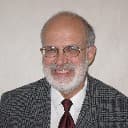
Civil Engneering faculty member for 27 years
Dr. Rossow is a graduate of the University of Michigan with B.S., M.S., and Ph.D. degrees. He is a licensed Professional Engineer in the State of Illinois. He taught civil engineering for over 35 years, including six years at Washington University in St. Louis and 29 years at Southern Illinois University Edwardsville, where he was the Chair of the Civil Engineering Department for ten years. His areas of expertise are in civil engineering and mechanics. He has consulted for various organizations, including government agencies and an international offshore drilling company. He has published numerous technical journal articles and technical reports for a variety of governmental agencies and private sector organizations. Mark P. Rossow, PE, PhD Licensed Professional Engineer in State of Illinois License No. 062.040560 Dr. Rossow is a graduate of the University of Michigan with B.S., M.S., and Ph.D. degrees. He taught civil engineering for over 35 years, including six years at Washington University in St. Louis and 29 years at Southern Illinois University Edwardsville, where he was the Chair of the Civil Engineering Department for ten years. His areas of expertise are in civil engineering and mechanics. He has consulted for various organizations, including government agencies and an international offshore drilling company. He has published many journal articles and technical reports.
This portal is provided as a training and development resource for City of Markham employees. Every course is delivered by a qualified subject matter expert or learning organization, is quantifiable in hours, and is verifiable — you receive a documented certificate of completion for every course you finish, stored on LearnFormula indefinitely.
If you hold a professional designation (for example in engineering, accounting, human resources, or law), courses may be counted as professionally relevant, verifiable learning activities toward your continuing professional development. Individual practitioners are responsible for confirming that an activity meets the requirements of their professional body. For questions about the City of Markham's training and development policies, please speak with your people leader or Human Resources.
