Master evidence-based interviewing techniques to uncover the truth, avoid coercive tactics, and build legally defensible fraud cases while maintaining uncompromising ethics.
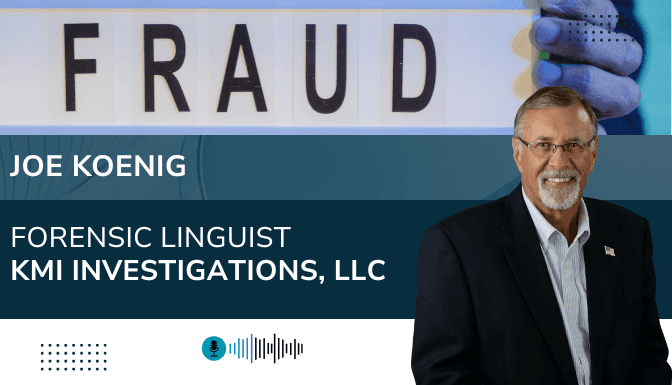
Communication is far more complex than simply hearing what people say. Much of meaning is lost—or distorted—because of assumptions, questioning techniques, and environmental influences on how information is elicited and interpreted.
This session introduces principles from forensic linguistics to help participants understand not only what is being communicated, but also what is being omitted, implied, or unintentionally altered during the communication process. It explores how questioning style, interviewer behaviour, and context can significantly shape responses—and in some cases, lead to unreliable or even false statements.
A central focus is the concept of contamination—any factor that influences the purity of communication, including question design, multiple interviewers, setting, duration, and interaction dynamics. Participants will learn how to structure questions more effectively, minimise contamination risks, and interpret responses with greater accuracy, ethical awareness, and critical insight.
The session also highlights key warning signs associated with unreliable or false confessions and provides practical techniques to support clearer, more factual, and ethically sound information gathering.
Key Topics Discussed:
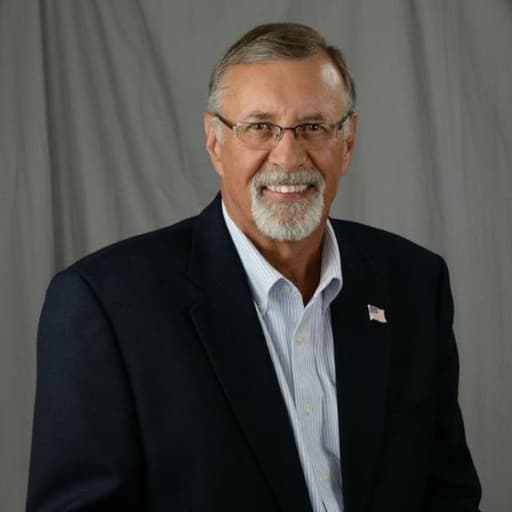
Forensic Linguist | KMI INVESTIGATIONS, LLC
Joe is a Certified Fraud Examiner (CFE) and Forensic Linguist (court-certified Expert Witness for Interviewing & Interrogation). He retired from the Michigan State Police after 26 years and has 50+ years of investigative experience in the public and private sectors. He is the award-winning author of two books on Forensic Linguistics, “Getting the Truth” (2014) and 2019 “Getting the Truth: I am D.B. Cooper.” He investigated/supervised investigations into homicides, organized crime, financial crimes, narcotics and public corruption. He was the lead investigator into the disappearance of Jimmy R. Hoffa. Joe is Past President of the Michigan FBI National Academy Associates, a Certified Fraud Examiner (CFE), holds a BS in Accounting from Wayne State University and an MPA from Eastern Michigan University, where he received Phi Kappa Phi Honors. He now owns and operates KMI Investigations in Michigan, specializing in financial fraud investigations and Forensic Linguistics.
This portal is provided as a training and development resource for City of Markham employees. Every course is delivered by a qualified subject matter expert or learning organization, is quantifiable in hours, and is verifiable — you receive a documented certificate of completion for every course you finish, stored on LearnFormula indefinitely.
If you hold a professional designation (for example in engineering, accounting, human resources, or law), courses may be counted as professionally relevant, verifiable learning activities toward your continuing professional development. Individual practitioners are responsible for confirming that an activity meets the requirements of their professional body. For questions about the City of Markham's training and development policies, please speak with your people leader or Human Resources.
