Master the science of analyzing speech and text to uncover hidden truths, detect deception, and understand what people really mean using proven and ethical linguistic techniques.
Communication is rarely as straightforward as it appears. In this insightful session, participants will explore the fascinating world of forensic linguistics and learn how hidden meanings, partial truths, and subtle communication shifts can reveal what is really being said. Through practical examples and investigative techniques, attendees will discover how speech patterns, word choice, body language, and questioning methods influence interpretation and truth detection. This webinar provides valuable tools for professionals seeking to improve interviewing, analytical thinking, and communication assessment skills in investigative, legal, compliance, and professional environments.
Key Topics Discussed:
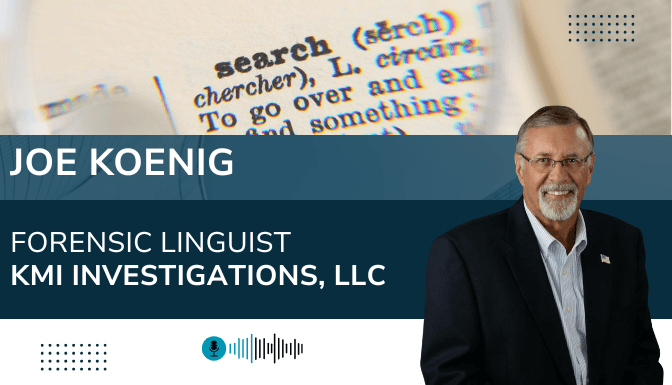
Forensic Linguist | KMI INVESTIGATIONS, LLC
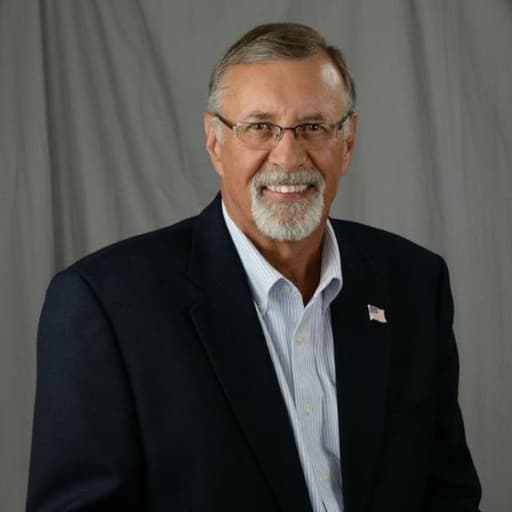
Joe is a Certified Fraud Examiner (CFE) and Forensic Linguist (court-certified Expert Witness for Interviewing & Interrogation). He retired from the Michigan State Police after 26 years and has 50+ years of investigative experience in the public and private sectors. He is the award-winning author of two books on Forensic Linguistics, “Getting the Truth” (2014) and 2019 “Getting the Truth: I am D.B. Cooper.” He investigated/supervised investigations into homicides, organized crime, financial crimes, narcotics and public corruption. He was the lead investigator into the disappearance of Jimmy R. Hoffa. Joe is Past President of the Michigan FBI National Academy Associates, a Certified Fraud Examiner (CFE), holds a BS in Accounting from Wayne State University and an MPA from Eastern Michigan University, where he received Phi Kappa Phi Honors. He now owns and operates KMI Investigations in Michigan, specializing in financial fraud investigations and Forensic Linguistics.
This portal is provided as a training and development resource for City of Markham employees. Every course is delivered by a qualified subject matter expert or learning organization, is quantifiable in hours, and is verifiable — you receive a documented certificate of completion for every course you finish, stored on LearnFormula indefinitely.
If you hold a professional designation (for example in engineering, accounting, human resources, or law), courses may be counted as professionally relevant, verifiable learning activities toward your continuing professional development. Individual practitioners are responsible for confirming that an activity meets the requirements of their professional body. For questions about the City of Markham's training and development policies, please speak with your people leader or Human Resources.
