Flexible Alternating Current Transmission Systems (FACTS) Volume II Overview

This 5-hour course is Volume II of a two-volume series. Volume I provided a basic description of power flow and voltage supply concepts and outlined the types of Flexible Alternating Current Transmission System (FACTS) devices. This volume builds upon the basics of Volume I and describes the following FACTS devices: Static Synchronous Compensator (STATCOM), Distribution STATCOM, Thyristor Controlled Series Capacitor (TCSC), Series Static Synchronous Compensator (SSSC), and Unified Power Flow Controller (UPFC). The devices in this volume focus on voltage source converter (VSC) technology.
Additionally, this course includes a multiple-choice quiz at the end, designed to enhance the understanding of the course materials.
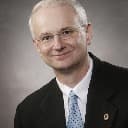
Mr. Layton is an electrical engineering graduate of Auburn University and is a licensed Professional Engineer in Georgia. He also holds a master's in business administration and is a senior member of the Institue of Electrical and Electronic Engineers (IEEE). Mr. Layton began his engineering career in 1978 in the electric utility industry. He has significant experience in managing and operating an electric utility. His experience is not only in the area of electric utility operations; he has provided consulting expertise to numerous industrial facilities in the areas of power quality, energy cost control, plant layout, and building efficiency. Mr. Layton has participated in numerous national research projects including as a member of the Electric Power Research Institute’s (EPRI) Electrical System Division Committee where projects were analyzed and reviewed for funding including projects in FACTS technology and static-var compensator projects. He has participated in research projects with the Cooperative Research Network (CRN), most recently in the development of a utility grade PEM fuel cell. Throughout his career, Mr. Layton has been active in training and developing engineers to lead the utility industry. The training has included all facets of the industry, from technical training, to management, and financial analysis.
This portal is provided as a training and development resource for City of Markham employees. Every course is delivered by a qualified subject matter expert or learning organization, is quantifiable in hours, and is verifiable — you receive a documented certificate of completion for every course you finish, stored on LearnFormula indefinitely.
If you hold a professional designation (for example in engineering, accounting, human resources, or law), courses may be counted as professionally relevant, verifiable learning activities toward your continuing professional development. Individual practitioners are responsible for confirming that an activity meets the requirements of their professional body. For questions about the City of Markham's training and development policies, please speak with your people leader or Human Resources.
