Prove the ROI of your financial wellbeing initiatives with data-driven metrics and robust governance frameworks that ensure long-term program success.
Financial wellbeing programs are becoming an essential part of modern employee benefits strategies, yet many organizations struggle to demonstrate measurable impact and long-term value. This advanced webinar equips HR and business leaders with a practical, executive-level framework to design, measure, and govern effective financial wellbeing initiatives. Participants will learn how to establish meaningful metrics, align cross-functional stakeholders, and create governance structures that support accountability, compliance, and continuous improvement. Through a lifecycle-based approach, attendees will gain actionable tools to build scalable programs that strengthen employee wellbeing while supporting organizational performance.
Key Topics Discussed:

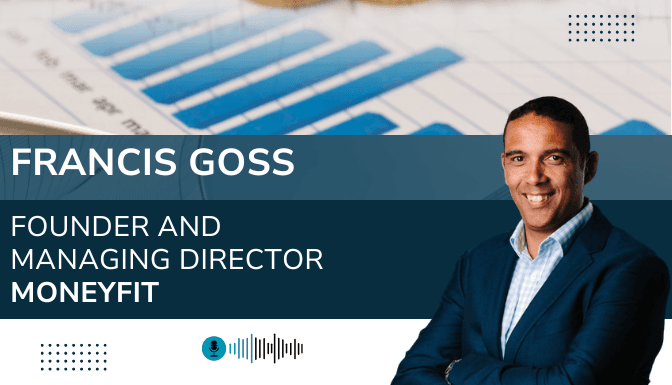
Founder and Managing Director | MoneyFit
Francis Goss is the founder of MoneyFit with over 25 years’ experience in employee engagement, communication and wellbeing. Francis was formerly Director of People Experience at Gallagher with a focus on client financial wellbeing solutions. Francis is a founding member of the DWP’s Pensions Dashboard Steering Group and on the Advisory Board of Engage for Success, the UK’s employee engagement task-force. Francis holds an Honours degree in Law, a diploma in employee motivation and is a keen rower and scuba diver.
This portal is provided as a training and development resource for City of Markham employees. Every course is delivered by a qualified subject matter expert or learning organization, is quantifiable in hours, and is verifiable — you receive a documented certificate of completion for every course you finish, stored on LearnFormula indefinitely.
If you hold a professional designation (for example in engineering, accounting, human resources, or law), courses may be counted as professionally relevant, verifiable learning activities toward your continuing professional development. Individual practitioners are responsible for confirming that an activity meets the requirements of their professional body. For questions about the City of Markham's training and development policies, please speak with your people leader or Human Resources.
