Insights into CPA Ethics Violations, Professional Standards, and Best Practices from Real-World Disciplinary Cases.
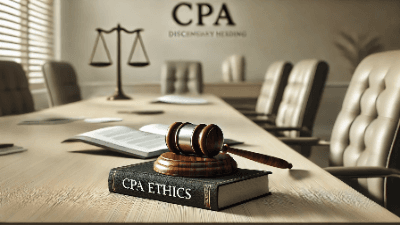
This course delves into the critical lessons learned from recent CPA discipline committee hearings, focusing on the ethical and professional standards expected of Chartered Professional Accountants (CPAs). Through a detailed examination of eight real-world cases, participants will gain a deep understanding of how ethical lapses and misconduct can arise in the accounting profession and the significant consequences that follow.
Each case provides valuable insights into different types of violations, ranging from fraud and false reporting to the mishandling of audits and internal ethical breaches at large firms like PWC and Deloitte. The course emphasizes the importance of adhering to the CPA Code of Conduct, maintaining integrity in financial reporting, and the role of internal controls in preventing professional misconduct. Attendees will also learn how whistleblowing and internal investigations play a crucial role in uncovering unethical practices.
The eight cases include:
Through these case studies, participants will be equipped to recognize warning signs of potential ethical violations, understand the disciplinary processes that follow such breaches, and implement best practices in their own accounting work to uphold the highest professional standards. Whether you're an individual CPA or part of a large firm, this course will offer practical tools and strategies for ensuring compliance with ethical guidelines and fostering a culture of accountability and transparency within the profession.
In addition to the analysis of specific cases, this course also provides guidance on navigating the disciplinary process, the importance of continuing professional development (CPD), and the long-term implications of losing public trust in the accounting field. Through these lessons, accountants can proactively safeguard their reputation, protect their clients, and contribute to the overall integrity of the profession.
Topics List:

Chartered Professional Accountant
Brian Anderson, CPA, has more than 15 years of experience in accounting, taxation, and business advisory services, with particular expertise in partnership structures and professional service firms. Since obtaining his CPA designation, he has developed extensive practical knowledge across a broad range of accounting matters, including partnership taxation, adjusted cost base (ACB) calculations, GST/HST compliance, financial reporting, and business structuring. Brian has advised on all stages of the partnership lifecycle, from initial formation and ownership structuring through partner admissions and withdrawals, to partnership dissolutions and reorganizations. His experience includes helping businesses evaluate the use of corporations, holding companies, management corporations, and other related entities within partnership arrangements to achieve commercial and tax objectives. He holds a degree in Accounting with a minor in Law from Toronto Metropolitan University (formerly Ryerson University). In addition to his professional expertise, Brian has developed a global perspective through his exposure to international business practices, including time spent in Japan studying different approaches to business operations and governance.
This portal is provided as a training and development resource for City of Markham employees. Every course is delivered by a qualified subject matter expert or learning organization, is quantifiable in hours, and is verifiable — you receive a documented certificate of completion for every course you finish, stored on LearnFormula indefinitely.
If you hold a professional designation (for example in engineering, accounting, human resources, or law), courses may be counted as professionally relevant, verifiable learning activities toward your continuing professional development. Individual practitioners are responsible for confirming that an activity meets the requirements of their professional body. For questions about the City of Markham's training and development policies, please speak with your people leader or Human Resources.
