Enhance the precision, reliability, and performance of weigh-in-motion data for smarter infrastructure management.
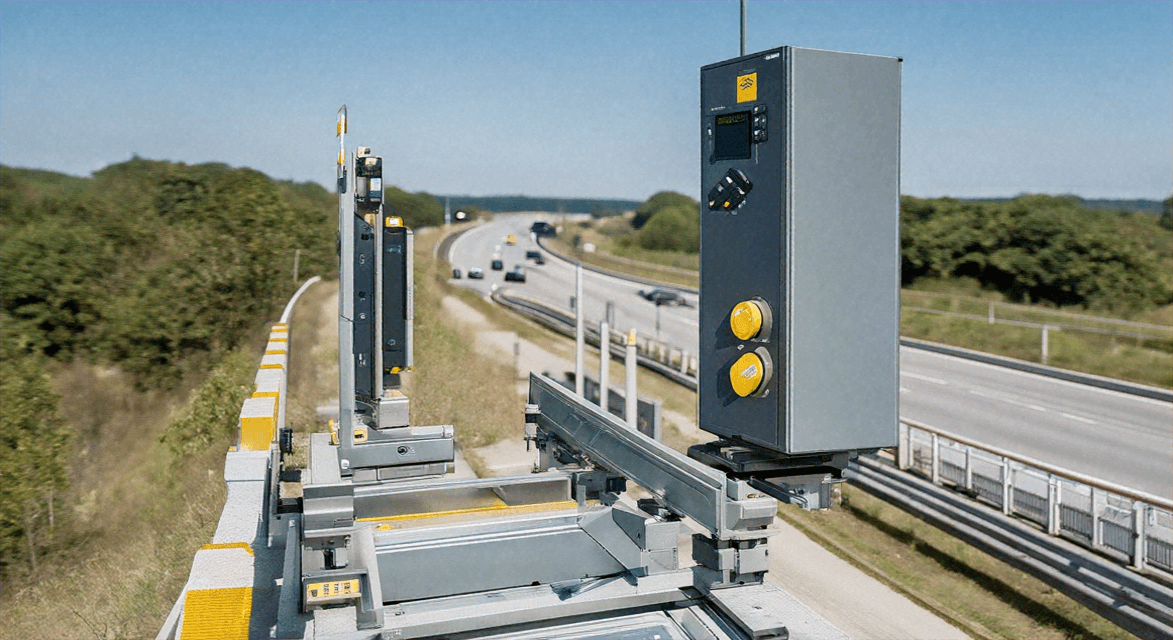
This specialized course provides an advanced examination of methods to improve weigh-in-motion (WIM) system accuracy, ensuring dependable data for traffic monitoring, pavement design, and infrastructure management. Participants will gain a deep understanding of how measurement precision affects asset management decisions and roadway performance evaluation.
Key learning areas include:
Understanding the role and importance of accurate WIM data in traffic analysis, freight monitoring, and infrastructure lifecycle planning.
Identifying limitations of traditional calibration and validation methods and their impact on long-term data quality.
Introducing normalized axle load spectra (NALS) shape factors as a novel tool for assessing system accuracy and temporal data consistency.
Applying advanced modeling techniques to link WIM errors with Class 9 NALS factors, providing a framework to detect and correct systematic drift post-calibration.
Translating analytical findings into practical maintenance and recalibration strategies to enhance reliability and operational efficiency.
By completing this course, participants will be equipped to develop, evaluate, and maintain high-accuracy WIM programs that support data-driven decision-making in transportation engineering.

Leading Global Provider of Cutting-Edge Engineering CPD Courses
The Global Engineering Excellence Institute (GEEI) is a leading provider of Continuing Professional Development (CPD) courses designed to meet the evolving needs of engineers worldwide. Established in 2010, GEEI has a proven track record of delivering high-quality, industry-relevant training that empowers engineering professionals to stay at the forefront of technological advancements and best practices. Our comprehensive course offerings cover a wide range of disciplines, including civil, mechanical, electrical, and software engineering, ensuring that our learners receive the most up-to-date and practical knowledge. With a focus on practical application, GEEI's courses are developed by industry experts and are recognized by leading engineering bodies globally. We are committed to fostering a culture of continuous learning and professional growth, helping engineers achieve their career goals and contribute to the advancement of the engineering profession.

Expert in Transportation Systems Engineering
Dr. Marcus J. Turner is a renowned authority in transportation systems engineering, specializing in the resilience of road freight transportation systems (FTSs). With over 10 years of experience in academia and industry, Dr. Turner has contributed significantly to the understanding and improvement of FTS resilience. His research focuses on the physical infrastructure, user dynamics, and organizational management within transportation networks, aiming to develop comprehensive frameworks for resilience assessment. Dr. Turner has published numerous articles in leading journals and collaborated with global policymakers and practitioners to implement robust, data-driven solutions for resilient transportation systems.
This portal is provided as a training and development resource for City of Markham employees. Every course is delivered by a qualified subject matter expert or learning organization, is quantifiable in hours, and is verifiable — you receive a documented certificate of completion for every course you finish, stored on LearnFormula indefinitely.
If you hold a professional designation (for example in engineering, accounting, human resources, or law), courses may be counted as professionally relevant, verifiable learning activities toward your continuing professional development. Individual practitioners are responsible for confirming that an activity meets the requirements of their professional body. For questions about the City of Markham's training and development policies, please speak with your people leader or Human Resources.
