This course provides instruction in engineering ethics through a case study of the Space Shuttle Challenger disaster.
This course provides instruction in engineering ethics through a case study of the Space Shuttle Challenger disaster. The minimum technical details needed to understand the physical cause of the Shuttle failure are given. The disaster itself is chronicled through NASA photographs. Next the decision-making process—especially the discussions occurring during the teleconference held on the evening before the launch—is described. Direct quotations from engineers interviewed after the disaster are used to illustrate the ambiguities of the data and the pressures that the decision-makers faced in the months and hours preceding the launch. The course culminates in an extended treatment of six ethical issues raised by Challenger.
Topics: This course teaches the following specific knowledge and skills: Common errors to avoid in studying the history of an engineering failure: the retrospective fallacy and the myth of perfect engineering practice Shuttle hardware involved in the disaster Decisions made in the period preceding the launch Ethical issue: NASA giving first priority to public safety over other concerns Ethical issue: the contractor gives first priority to public safety over other concerns Ethical issue: whistleblowing Ethical issue: informed consent Ethical issue: ownership of company records Ethical issue: how the public perceives that an engineering decision involves an ethical violation Publication Source: Mark Rossow, PhD, PE (retired)
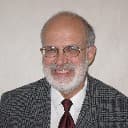
Civil Engneering faculty member for 27 years
Dr. Rossow is a graduate of the University of Michigan with B.S., M.S., and Ph.D. degrees. He is a licensed Professional Engineer in the State of Illinois. He taught civil engineering for over 35 years, including six years at Washington University in St. Louis and 29 years at Southern Illinois University Edwardsville, where he was the Chair of the Civil Engineering Department for ten years. His areas of expertise are in civil engineering and mechanics. He has consulted for various organizations, including government agencies and an international offshore drilling company. He has published numerous technical journal articles and technical reports for a variety of governmental agencies and private sector organizations. Mark P. Rossow, PE, PhD Licensed Professional Engineer in State of Illinois License No. 062.040560 Dr. Rossow is a graduate of the University of Michigan with B.S., M.S., and Ph.D. degrees. He taught civil engineering for over 35 years, including six years at Washington University in St. Louis and 29 years at Southern Illinois University Edwardsville, where he was the Chair of the Civil Engineering Department for ten years. His areas of expertise are in civil engineering and mechanics. He has consulted for various organizations, including government agencies and an international offshore drilling company. He has published many journal articles and technical reports.
This portal is provided as a training and development resource for City of Markham employees. Every course is delivered by a qualified subject matter expert or learning organization, is quantifiable in hours, and is verifiable — you receive a documented certificate of completion for every course you finish, stored on LearnFormula indefinitely.
If you hold a professional designation (for example in engineering, accounting, human resources, or law), courses may be counted as professionally relevant, verifiable learning activities toward your continuing professional development. Individual practitioners are responsible for confirming that an activity meets the requirements of their professional body. For questions about the City of Markham's training and development policies, please speak with your people leader or Human Resources.
