Presents the fundamentals of instrument and metering in utilities and industry.
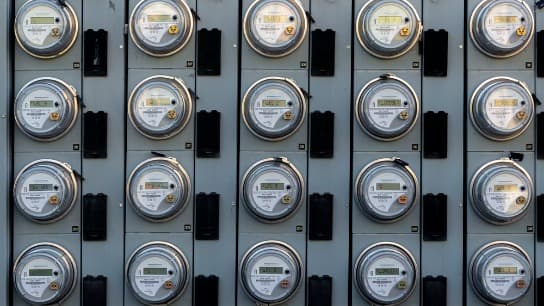
This course concentrates on the electricity meter, electric meter, electrical meter, energy meter, or kilowatt-hour meter which is a device that measures the amount of electric energy consumed by a residence, a business, or an electrically powered device.
Electric meter or energy meter measurements, the total power consumed over a time interval are examined.
From the Electric utility perspective, electric meters installed at customers' premises for billing and monitoring purposes are examined. The typical calibrated in billing units are developed, the most common one being the kilowatt-hour (kWh) and how they are read once each billing period.
If desired, some meters may measure demand, the maximum use of power in some interval. "Time of use" metering allows electric rates to be changed during a day, to record usage during peak high-cost periods and off-peak, lower-cost, periods.
Single-phase and three-phase metering measurements are also covered.
Who this course is for: Electrical Power Systems Managers, Engineers, Technologists, Maintenance Workers, Students in Engineering Anyone who wants to learn power & energy measurement of a three phase system.

An entire career in the power sector of engineering, Graham graduated from Queen's university coupled with subsequent studies with Wilfrid Laurier University to travel the globe and apply his skills and garner his protection and control experience internationally. His passion for staying in touch with his profession and his kinship for mentoring has kept him in front of an audience of learners.
This portal is provided as a training and development resource for City of Markham employees. Every course is delivered by a qualified subject matter expert or learning organization, is quantifiable in hours, and is verifiable — you receive a documented certificate of completion for every course you finish, stored on LearnFormula indefinitely.
If you hold a professional designation (for example in engineering, accounting, human resources, or law), courses may be counted as professionally relevant, verifiable learning activities toward your continuing professional development. Individual practitioners are responsible for confirming that an activity meets the requirements of their professional body. For questions about the City of Markham's training and development policies, please speak with your people leader or Human Resources.
