Navigate critical issues in geology and geoscience, from carbon capture to environmental regulations, ensuring professional integrity and public safety in an evolving field.

Explore the pressing issues shaping the modern geological and geoscience landscape in "Current Issues in the Practice of Geology and Geoscience." This course, aligned with the latest industry advancements and environmental concerns, delves into critical topics ranging from carbon capture and geological sequestration to environmental remediation and the ethical responsibilities of geoscientists.
You'll gain a comprehensive understanding of:
By the end of this course, you will be equipped with the knowledge to navigate complex geological challenges, contribute to sustainable practices, and uphold the highest ethical standards in the geoscience profession.

Online Courses for Engineers
HalfMoon Education is a nonprofit continuing education provider offering live webinars and on-demand courses for engineers, architects, landscape architects, land surveyors, attorneys, paralegals, accountants and others. Since 1996, we’ve helped thousands of professionals nationwide stay current with industry standards and codes, earn CE hours, and advance their expertise through practical, expert-led learning experiences. Learn more about us at: www.halfmoonseminars.org
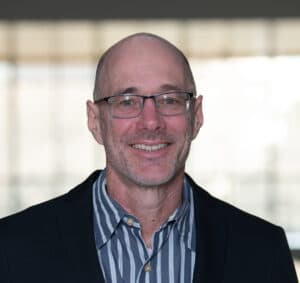
Professor and Bettie Margaret Smith Chair in Environmental Health Engineering University of Texas at Austin
Dr. Charles J. Werth is a Professor & Bettie Margaret Smith Chair of Environmental Health Engineering in the Department of Civil, Architecture and Environmental Engineering at the University of Texas at Austin. He joined the UT faculty in August of 2014, after spending 17 years on the faculty at the University of Illinois at Urbana Champaign. Dr. Werth’s research and teaching focus on the fate and transport of pollutants in the environment, the development of innovative catalytic technologies for drinking water treatment, and the mitigation of environmental impacts associated with energy production and generation. He is presently the Principal Investigator of an NSF NRT on “Reducing Energy Barriers for Novel Water Supply Use in Sustainable Agriculture”, as well as on other NSF, DOD and DOE grants
Managing Director, S&M Engineering, LLC
Mr. Dutta is a registered Professional Engineer (P.E.) who is fully engaged in water and environmental protection through his leadership in S&M Engineering, LLC (SNM), a Maryland Corporation. He worked as the lead engineer in a superfund site remediation project and various RCRA sites involving design and installation of landfill cover systems, planning and implementing exhumation of a radioactive waste site in a DoD facility. He worked in developing regulations and guidance later at a national level while with the US EPA for 20 years. He designed an innovative well interception plan, based on the bathymetric profile of the seabed to successfully kill the 1.4m gal/day Deepwater Horizon oil spill (Macondo Well) in Aug 2010. His most recent book Environmental Treatment Technologies for Municipal, Industrial and Medical Wastes, Remedial Scope and Efficacy, 2nd edition, Taylor & Francis (CRC Press), was published in September 2021
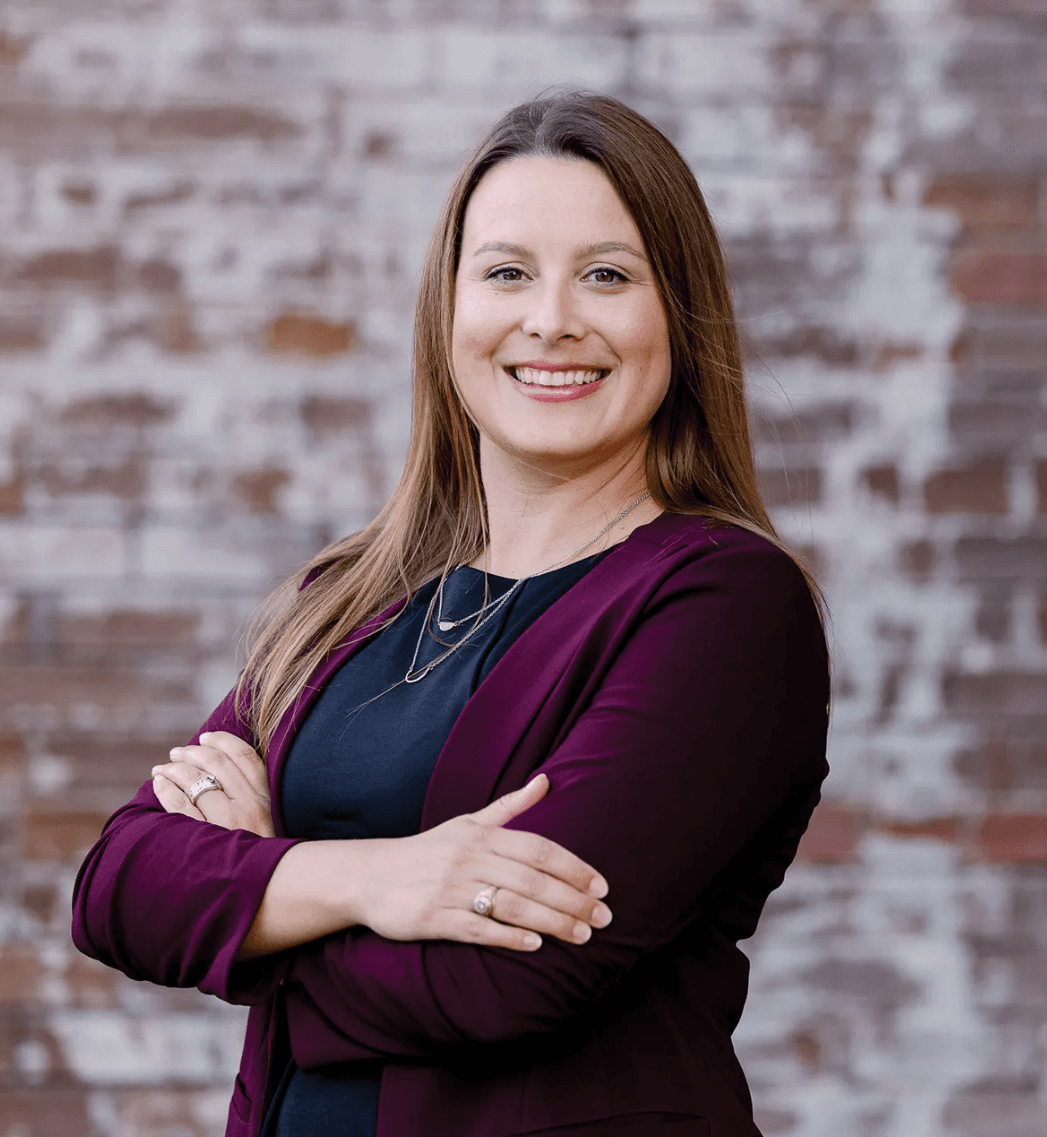
Attorney & Founder at Audra Smith Law, El Campo, TX
Ms. Smith is an attorney based in Wharton County, Texas. Her practice focuses on a wide variety of agricultural issues, especially those involving cattle. She additionally spends a significant portion of her time on oil and gas title examination, farm and ranch transactions, and real estate litigation. Ms. Smith also assists clients with estate planning, probates, and business planning needs. Ms. Smith is a graduate of El Campo High School. She received her bachelor of science degree in Agricultural Science from Texas A&M University in 2009, and received her doctor of jurisprudence degree from South Texas College of Law in 2014. She was admitted to the State Bar of Texas in 2014 and is also admitted to the Southern District of Texas. Ms. Smith is a member of the Wharton County Bar Association, formerly serving as president, and she is a member of the Texas Bar College.
Geoscientist in Dallas, TX
Mark N. Varhaug has more than forty‐five years’ experience in the practice of geoscience in the US and internationally. He is currently President of Beacon Hill Energy, an independent exploration firm in Dallas. He is a licensed Professional Geoscientist in Texas (#12433) and Louisiana (#952) and a member of the Division of Professional Affairs of the American Association of Petroleum Geologists (CPG #6250). He is a member of the Geological Societies of Dallas, Houston, and West Texas, the Geological Society of America, and is a Life Member of the Society of Petroleum Engineers. Varhaug received a Bachelor of Science in geology from Southern Methodist University
This portal is provided as a training and development resource for City of Markham employees. Every course is delivered by a qualified subject matter expert or learning organization, is quantifiable in hours, and is verifiable — you receive a documented certificate of completion for every course you finish, stored on LearnFormula indefinitely.
If you hold a professional designation (for example in engineering, accounting, human resources, or law), courses may be counted as professionally relevant, verifiable learning activities toward your continuing professional development. Individual practitioners are responsible for confirming that an activity meets the requirements of their professional body. For questions about the City of Markham's training and development policies, please speak with your people leader or Human Resources.
