This online engineering PDH course describes the process of developing and implementing transportation control measures, using real-world examples.

This online engineering PDH course describes the process of developing and implementing transportation control measures, using real-world examples. Transportation control measures (TCMs) are strategies that reduce transportation-related air pollution, greenhouse-gas emissions (GHG), and fuel use by reducing vehicle miles traveled and improving roadway operations.
For example, emissions from individual vehicle use can be reduced by offering less polluting alternatives, such as public transit, and strategies that decrease the need for vehicle trips, such as telecommuting. TCMs may also focus on making travel more efficient by improving the management of the transportation system. The course includes descriptions of real-life success stories of communities using TCMs.
Topics: Promoting public transportation through convenience Encouraging cycling and walking Expanding commuter choices Instituting flextime Improving transportation infrastructure Designing intelligent transportation systems Introducing pay-as-you-drive insurance Implementing strategies for effective program Understanding costs and funding opportunities Case studies
Intended Audience: This course is intended for civil, electrical, environmental, mechanical, and municipal engineers concerned with reducing the environmental impact of their local government through the introduction of sustainable technologies.
Publication Source: This course is based on the Environmental Protection Agency document, “Transportation Control Measures,” EPA-430-R-09-040, from the EPA’s Local Government Climate and Energy Strategy Series, 2011.
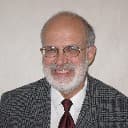
Civil Engneering faculty member for 27 years
Dr. Rossow is a graduate of the University of Michigan with B.S., M.S., and Ph.D. degrees. He is a licensed Professional Engineer in the State of Illinois. He taught civil engineering for over 35 years, including six years at Washington University in St. Louis and 29 years at Southern Illinois University Edwardsville, where he was the Chair of the Civil Engineering Department for ten years. His areas of expertise are in civil engineering and mechanics. He has consulted for various organizations, including government agencies and an international offshore drilling company. He has published numerous technical journal articles and technical reports for a variety of governmental agencies and private sector organizations. Mark P. Rossow, PE, PhD Licensed Professional Engineer in State of Illinois License No. 062.040560 Dr. Rossow is a graduate of the University of Michigan with B.S., M.S., and Ph.D. degrees. He taught civil engineering for over 35 years, including six years at Washington University in St. Louis and 29 years at Southern Illinois University Edwardsville, where he was the Chair of the Civil Engineering Department for ten years. His areas of expertise are in civil engineering and mechanics. He has consulted for various organizations, including government agencies and an international offshore drilling company. He has published many journal articles and technical reports.
This portal is provided as a training and development resource for City of Markham employees. Every course is delivered by a qualified subject matter expert or learning organization, is quantifiable in hours, and is verifiable — you receive a documented certificate of completion for every course you finish, stored on LearnFormula indefinitely.
If you hold a professional designation (for example in engineering, accounting, human resources, or law), courses may be counted as professionally relevant, verifiable learning activities toward your continuing professional development. Individual practitioners are responsible for confirming that an activity meets the requirements of their professional body. For questions about the City of Markham's training and development policies, please speak with your people leader or Human Resources.
