LF logo
by learnformula
search
Log in
search
Courses/Construction & Trades/Building Inspections and Evaluations

Chimney and Fireplace Inspection Standards Guide

Master essential chimney and fireplace inspection standards to ensure safety and compliance. This course empowers you to identify critical defects and protect homes from fire.
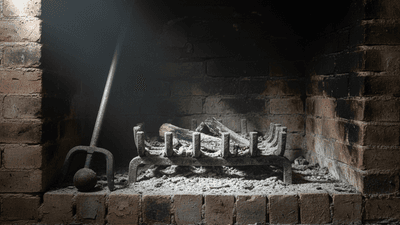
Created byConstruction Learning Institute
BeginnerUpdated Nov 21, 2025
Chimney and Fireplace Inspection Standards Guide

What You'll Learn

check_circleIdentify various chimney and fireplace components.
check_circleRecognize hazards in fireplace inspection.
check_circleEvaluate fireplace and chimney conditions.
check_circleReport observations within defined scope.
check_circleApply the 3-2-10 rule for chimney terminations.

About This Course

Master the essentials of fireplace and chimney inspections with this comprehensive guide, fulfilling InterNACHI’s Standards of Practice requirements.

This course transforms home inspectors into adept evaluators of critical fireplace and chimney components, covering everything from the basic visual assessment required by general home inspection SOPs to the more detailed Phase I Fireplace and Chimney Inspection.

Gain a profound understanding of potential hazards, proper construction practices, and how to accurately report your findings. You will learn to identify defects that contribute to fire risk, structural failure, and indoor air quality concerns, ensuring the safety of homes and occupants.

Key learning outcomes include:

  • **Identifying Basic Inspection Requirements**: Understand the core duties for inspecting accessible fireplaces and chimneys, lintels, damper doors, and cleanout doors under InterNACHI’s general SOP.
  • **Understanding Inspection Limitations**: Clearly define the scope of a visual inspection versus technically exhaustive investigations, and effectively communicate these boundaries to clients.
  • **Reducing Hazardous Conditions**: Learn to recognize unsafe elements like damaged flues, improper clearances, and misaligned components, and provide actionable recommendations for repair or further evaluation.
  • **Mastering Chimney Anatomy and Materials**: Differentiate between masonry and factory-built chimneys, assess flue and liner continuity, and identify issues with connectors and terminations.
  • **Evaluating Footings and Chimney Structure**: Detect signs of structural compromise, from inadequate footings and corbeling to general stack stability.
  • **Assessing Flashing and Water Management**: Identify common flashing defects, the necessity of chimney crickets, and the impact of moisture intrusion on chimney integrity.
  • **Inspecting Fireplace Openings and Hearths**: Verify non-combustible materials, proper dimensions, and clearances for fireboxes, hearths, and lintels.
  • **Understanding Factory-Built Fireplaces and Wood Stoves**: Inspect refractory panels, clearances, and operational considerations unique to engineered systems and wood-burning appliances.
  • **Navigating Ventless vs. Ventilated Appliances**: Distinguish between and assess the safety of different gas-fired units, including their venting requirements and potential indoor air quality impacts.
  • **Applying Field CO Testing Protocols**: Conduct basic CO tests for ventless appliances and properly interpret results for client safety.
  • **Recognizing Collapse Hazards**: Screen chimneys for structural vulnerabilities caused by seismic activity, wind, or deterioration, and recommend appropriate risk mitigation.
  • **Utilizing the Phase I Reporting Framework**: Employ a structured checklist to document defects, link observations to standards, and provide clear, defensible recommendations.
  • **Promoting Safe Homeowner Practices**: Educate clients on proper damper use, fuel selection, ash disposal, and the importance of annual professional maintenance.
  • **Understanding Fire Extinguisher Types and Placement**: Differentiate fire classes and extinguisher types for effective placement and safe use in residential settings.

Equip yourself with the knowledge and systematic approach to conduct thorough, standards-compliant fireplace and chimney inspections, safeguarding property and enhancing client trust.
Your Instructors

Construction Learning Institute

Construction Education Made Right

menu_book9 courses
star18 reviews

Construction Learning Institute delivers general construction training programs designed to support professionals at all experience levels. Our courses emphasize practical knowledge, safe work habits, and widely accepted building practices used throughout the industry. We provide flexible and accessible learning materials that help learners improve job-site awareness, enhance professional

JL
Jerry Luo, PhD, PE

Jerry Luo, PhD, PE, is a licensed professional engineer in Ohio, Louisiana, and Texas, with over 15 years of diverse experience spanning higher education, research, and consulting in civil engineering and construction management. Renowned for his expertise in geotechnical engineering, he has published over 60 peer-reviewed research articles, significantly contributing to advancements in geotechnical risk assessment and infrastructure resilience. He also co-authored a widely recognized textbook on soil dynamics. Jerry has actively contributed to the global engineering community by serving on the editorial boards of multiple international journals and as a member of organizing committees for prestigious conferences. His work bridges academic excellence and industry practice, making a tangible impact on critical engineering projects. His dedication to mentorship and innovation reflects his commitment to shaping the next generation of civil engineers and advancing the profession through research, education, and practice.

Credit Information

Do these courses count toward my professional development requirements?

This portal is provided as a training and development resource for City of Markham employees. Every course is delivered by a qualified subject matter expert or learning organization, is quantifiable in hours, and is verifiable — you receive a documented certificate of completion for every course you finish, stored on LearnFormula indefinitely.

If you hold a professional designation (for example in engineering, accounting, human resources, or law), courses may be counted as professionally relevant, verifiable learning activities toward your continuing professional development. Individual practitioners are responsible for confirming that an activity meets the requirements of their professional body. For questions about the City of Markham's training and development policies, please speak with your people leader or Human Resources.

What Students Are Saying

0.0
Student's Choice
0 reviews

Frequently Asked Questions

We are a registered provider with 327+ associations and regulatory bodies worldwide. We operate across 29 global markets including Canada, the US, Australia, and the UK. Every course page clearly displays its specific accreditations. Upon completion, you receive a professional certificate that can be validated online. Our certificates include all necessary accreditation details, credit hours, and completion dates, and are formatted specifically to meet the submission requirements of most global regulatory bodies.