Stop feeling overwhelmed: Translate your classroom theory into real-world power industry expertise.
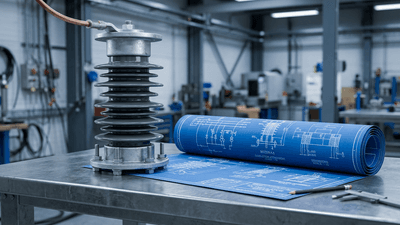
This course was built for new engineers and technologists looking to connect their classroom learning with what’s really happening out in the field. Whether you're just starting your career or transitioning into power systems, you're in the right place.
Each chapter in this course is essentially an introduction, an overview of what to expect in the field. Think of it as a “peek behind the curtain.” You won’t walk away an expert in every area, but you’ll know exactly what to focus on in your real-world work and where to go deeper. For those who want more depth, I’ve developed additional courses that explore each topic in greater detail.
This course walks you through the essential parts of the power industry—from the basics of how electricity works to the complexities of testing, commissioning, and certification. Each chapter builds on the last. By the end, you’ll be equipped with practical knowledge that gives you a head start in the field.
This course is designed to take individuals from beginner to expert by bridging the gap between theoretical electrical knowledge and practical application in the power system industry. Specifically, the course is tailored for:
Entry-Level Trainees: Individuals who are new to electrical testing and are learning on the job under supervision (classified by NETA as Level 1 technicians).
Progressing Technicians: Those moving through the NETA certification levels (Level 1 through Level 4) who need to master field competence, interpret test results, and diagnose problems.
Aspiring Professional Engineers: Engineering graduates in the United States and Canada who are on the path to licensure (FE-to-PE path in the U.S. or the P.Eng. path in Canada).
Power System Professionals: The material is relevant for various organizational levels, including workers, middle managers, and executives, emphasizing why power system fundamentals matter across the industry.
The curriculum supports these groups by covering everything from basic electrical theory and equipment to advanced system design, protection schemes, and the regulatory requirements for professional registration.

An entire career in the power sector of engineering, Graham graduated from Queen's university coupled with subsequent studies with Wilfrid Laurier University to travel the globe and apply his skills and garner his protection and control experience internationally. His passion for staying in touch with his profession and his kinship for mentoring has kept him in front of an audience of learners.
This portal is provided as a training and development resource for City of Markham employees. Every course is delivered by a qualified subject matter expert or learning organization, is quantifiable in hours, and is verifiable — you receive a documented certificate of completion for every course you finish, stored on LearnFormula indefinitely.
If you hold a professional designation (for example in engineering, accounting, human resources, or law), courses may be counted as professionally relevant, verifiable learning activities toward your continuing professional development. Individual practitioners are responsible for confirming that an activity meets the requirements of their professional body. For questions about the City of Markham's training and development policies, please speak with your people leader or Human Resources.
