From copper wires to high-speed digital networks: learn the architecture, messaging, and testing of modern substations.
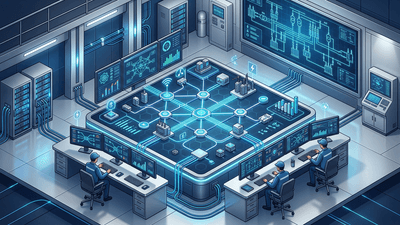
This follow-up course is designed to take an entry-level student beyond a simple introductory understanding of IEC 61850 and into the practical engineering workflow used in real digital substations. The emphasis is on explaining the system step by step in very simple language, while still introducing the student to the actual file types, communication methods, and testing ideas used in the field.
Why this course is needed
An introductory IEC 61850 course explains what the standard is and why it matters, but the next practical step is to show how an actual IEC 61850 system is engineered, configured, and tested in a substation environment. Industry training beyond the basics commonly moves into Substation Configuration Language (SCL), communication services such as GOOSE, MMS, and Sampled Values, and practical testing and troubleshooting.
This makes a system-level, multi-vendor course a stronger next step than a course focused only on one relay model, because the student first needs to understand the engineering process that applies across many Intelligent Electronic Devices (IEDs). A relay-specific drill-down such as an SEL-710 example can still be used inside the course as a worked example, but it should support the system explanation rather than replace it.

An entire career in the power sector of engineering, Graham graduated from Queen's university coupled with subsequent studies with Wilfrid Laurier University to travel the globe and apply his skills and garner his protection and control experience internationally. His passion for staying in touch with his profession and his kinship for mentoring has kept him in front of an audience of learners.
This portal is provided as a training and development resource for City of Markham employees. Every course is delivered by a qualified subject matter expert or learning organization, is quantifiable in hours, and is verifiable — you receive a documented certificate of completion for every course you finish, stored on LearnFormula indefinitely.
If you hold a professional designation (for example in engineering, accounting, human resources, or law), courses may be counted as professionally relevant, verifiable learning activities toward your continuing professional development. Individual practitioners are responsible for confirming that an activity meets the requirements of their professional body. For questions about the City of Markham's training and development policies, please speak with your people leader or Human Resources.
